

PlayRaven’s founder team from left: Tiago Amorim Rocha, Teemu Haila, Jarkko Kainulainen, Lasse Seppänen and Kalle Marjola.
Picture PlayRaven
By Johanna Lemola
International eyes turn to the Finnish digital game sector. The Helsinki metropolitan area is exceptionally fertile ground for game developers.
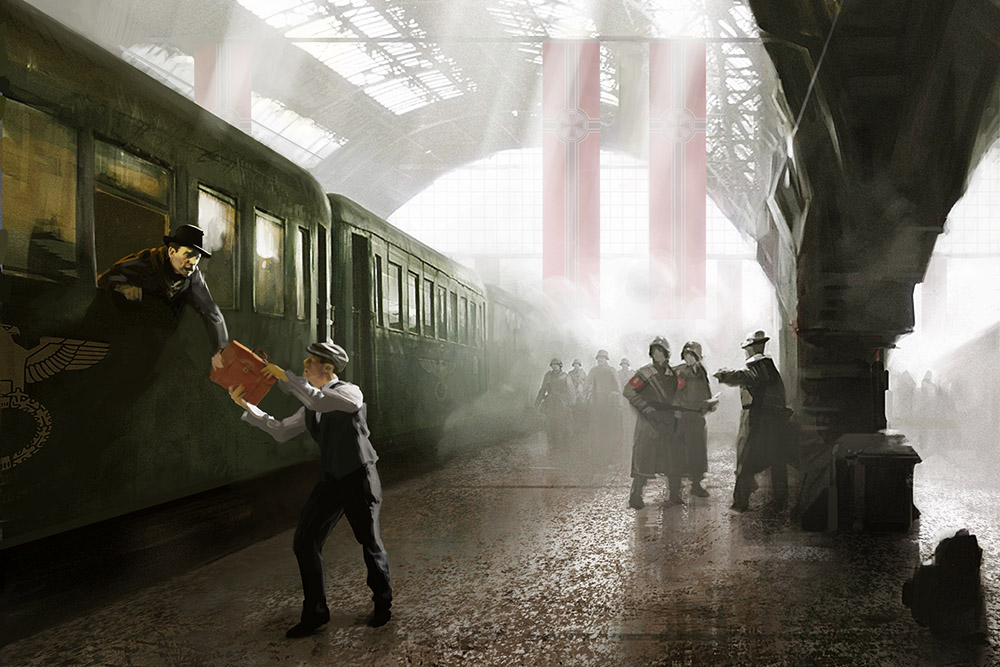
“Digital games are a hot industry in Finland, much more so than elsewhere,” says Lasse Seppänen, CEO of the Helsinki-based start-up PlayRaven. He speaks with 16 years of professional experience from the field and with a recent €1.7 million seed investment in PlayRaven’s pocket. The game studio is about to roll out its first product, Spymaster, which is a strategy game for iPad.
Before starting PlayRaven with 4 partners, Seppänen spent 6 years at Remedy Entertainment, where he produced the cult hit game Alan Wake. Altogether, PlayRaven’s founder team has worked with more than 50 digital games in their previous occupations. Their story so far is typical of the Finnish game sector today, which is marked by second-round start-ups founded by game development veterans.
Meteoric rise of the industry
The PlayRaven founder team is among the seasoned professionals in the Finnish digital game industry, which has seen dramatic growth.
The industry has grown from about 100 employees in the 1990’s to 2,500 today.
The combined sales of Finnish game companies grew nearly ten-fold from 2008 to 2013, tripling in 2013 alone to €800 million. After the sale of a 51-percent stake of Supercell to Softbank of Japan for a whopping €1.1 billion in late 2013, the industry’s total worth climbed to nearly €2 billion.
The reasons for the growth are many. They include a strong gaming culture in Finland, the Nokia legacy of mobile gaming know-how, high engineering skills, and government support through Tekes – The Finnish Funding Agency for Technology and Innovation. Finnish game developers have been successful in utilizing the latest wave of digital games emerged with Apple’s iPhone, iPad and App Store.
The critical mass has increased in Helsinki to the point where international talent is easy to attract. “Peer support is important. It’s very lonely to be the only foreigner in a team; the situation is far different when there are 8 foreigners,” Seppänen explains. Today 20 percent of the Finnish game industry’s total workforce is international.
Made by a closely-knit community in Helsinki, consumed elsewhere
Seppänen raises the superb digital gaming community in Helsinki as one of the main factors behind the industry’s success: “The community is exceptionally good here in Helsinki,” he says. “The home market is small, so companies don’t compete in this market. In fact, companies cooperate, sometimes inviting people from other companies to test their games without any fear of ideas being stolen.”
It says much about the strength of the community in Helsinki that game developers are deeply rooted in the area, although their market is elsewhere, primarily in the USA. “Helsinki is definitely our place,” Seppänen affirms.
KooPee Hiltunen, director of the non-profit game industry organization Neogames, points to the highly international nature of the field: “Finnish game companies go international from the very beginning. About 95 percent of the venture capital and private equity investments into Finnish digital game companies come from abroad.”
Helsinki as a city-wide game studio
Hiltunen explains that the Finnish digital game industry is 30 years old, counting from the release of the first game. Today there are just over 200 game companies in the country. Roughly 10 of the companies are established enterprises that make profit – the hugely successful Rovio and Supercell among others. There are 30–40 runner-up studios, which are not yet established enterprises but on their way there. The rest are start-ups, whose potential is impossible to estimate.
The Helsinki metropolitan area is home to one-third of the Finnish game companies, but they represent 85 percent of the total workforce and over 90 percent of total sales. The biggest Finnish game companies are all in the metropolitan area.
Strength from agility and the multi-disciplinary nature of the industry
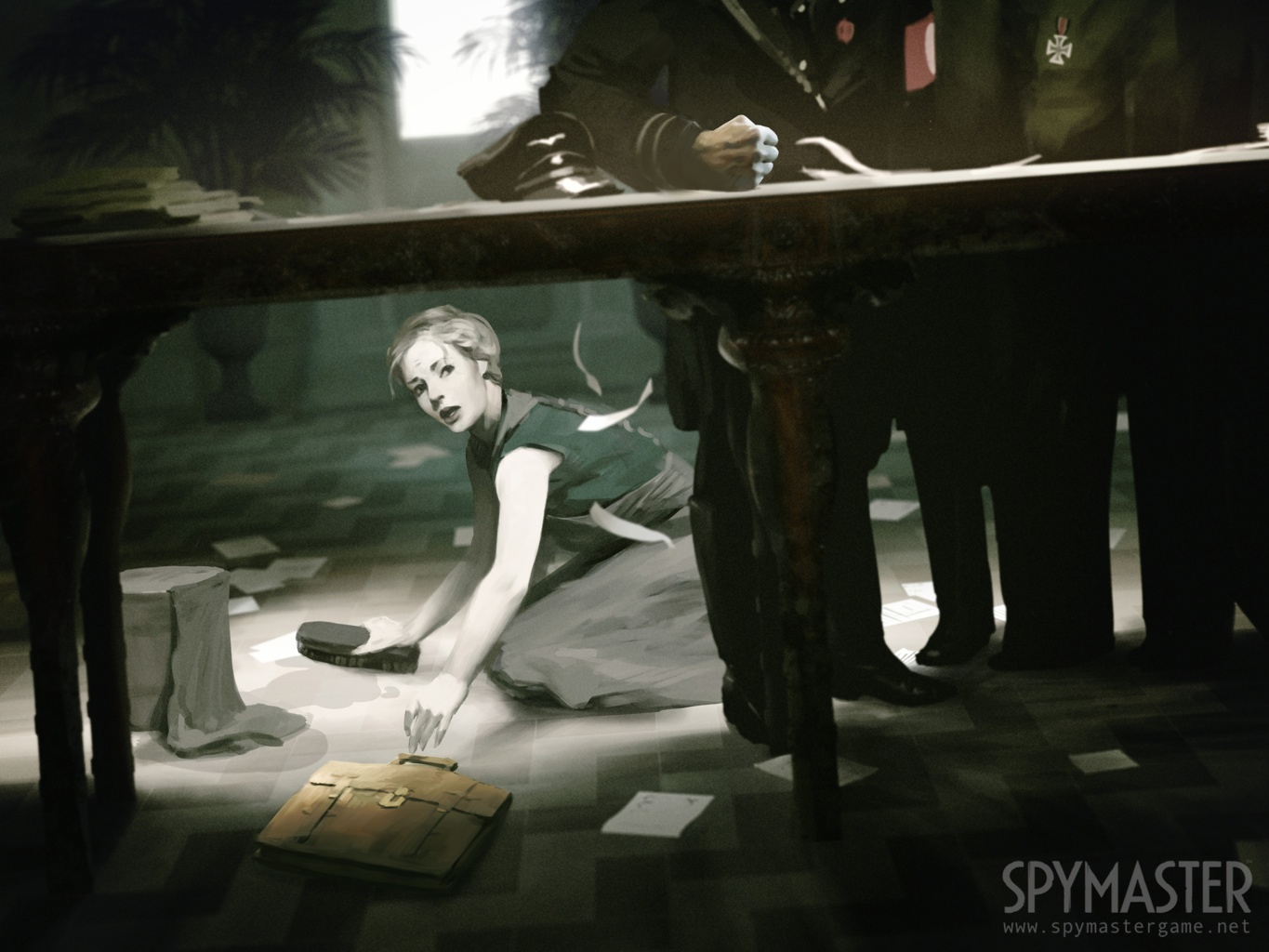
Spymaster © PlayRaven
“The Finnish digital game industry is young,” KooPee Hiltunen admits, “and there are few formal structures. Also, education in digital games is new.”
Hiltunen claims, however, that the lack of formal structures is one of the industry’s strengths. “Our game companies are not forced into a rigid administrative framework, and they are not stiffened by traditional corporate thinking. It’s agility that makes companies successful in the international market.”
He suggests that other Finnish companies should learn from game companies. “All too often in Finnish organizations, the formal structures of the organization are too heavy and rigid, which can stifle action.”
“The game industry is also interesting in that it combines culture, technology and business,” Hiltunen points out. Today, a multi-disciplinary approach is a mantra for success.
Games as the next Nokia?
Surely the Finnish digital game industry is no match to Nokia in its prime as an economic powerhouse in the country, but the industry is often compared to Nokia. Is there a resemblance?
Seppänen comments, “It depends on what we want from the industry. It can’t be everything, but it could be a major flagship for Finland and provide important brand visibility.”
 Helsinki-info on Facebook